
NYC Case Studies in Interior Insulation & Air Sealing
Monday, September 14, 2026 (12:00 PM - 1:00 PM) (EDT)
Description
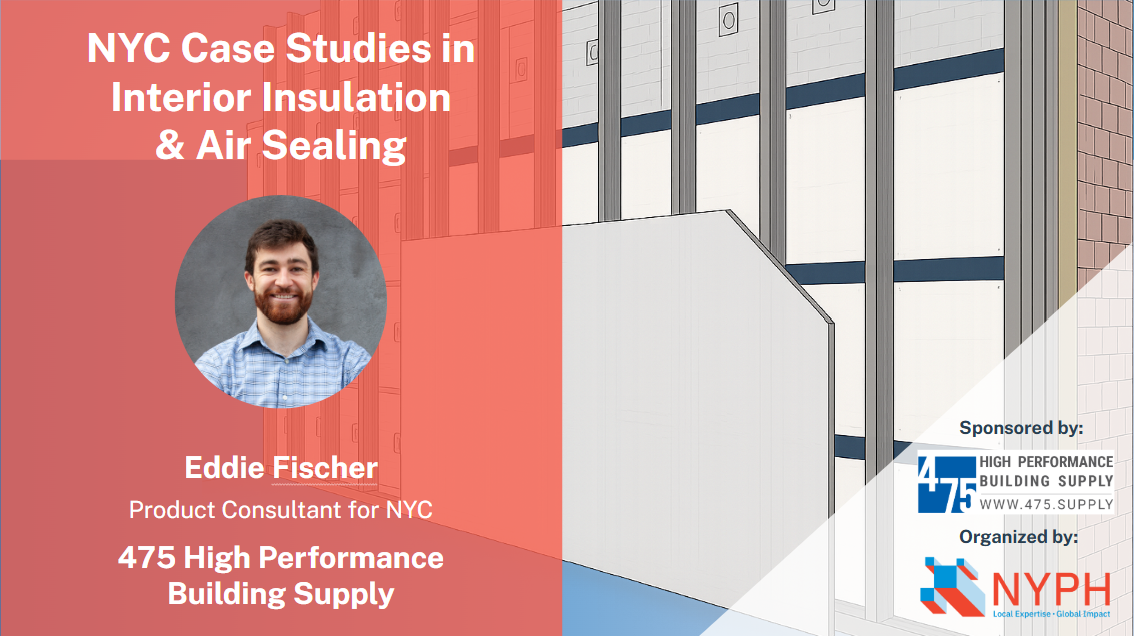
New York City's tight site constraints demand building enclosure strategies that work from the inside out. From multifamily projects to pre-war retrofits, practitioners face the same core challenge: deliver meaningful thermal performance and airtightness without compromising vapor management, indoor air quality, or long-term durability.
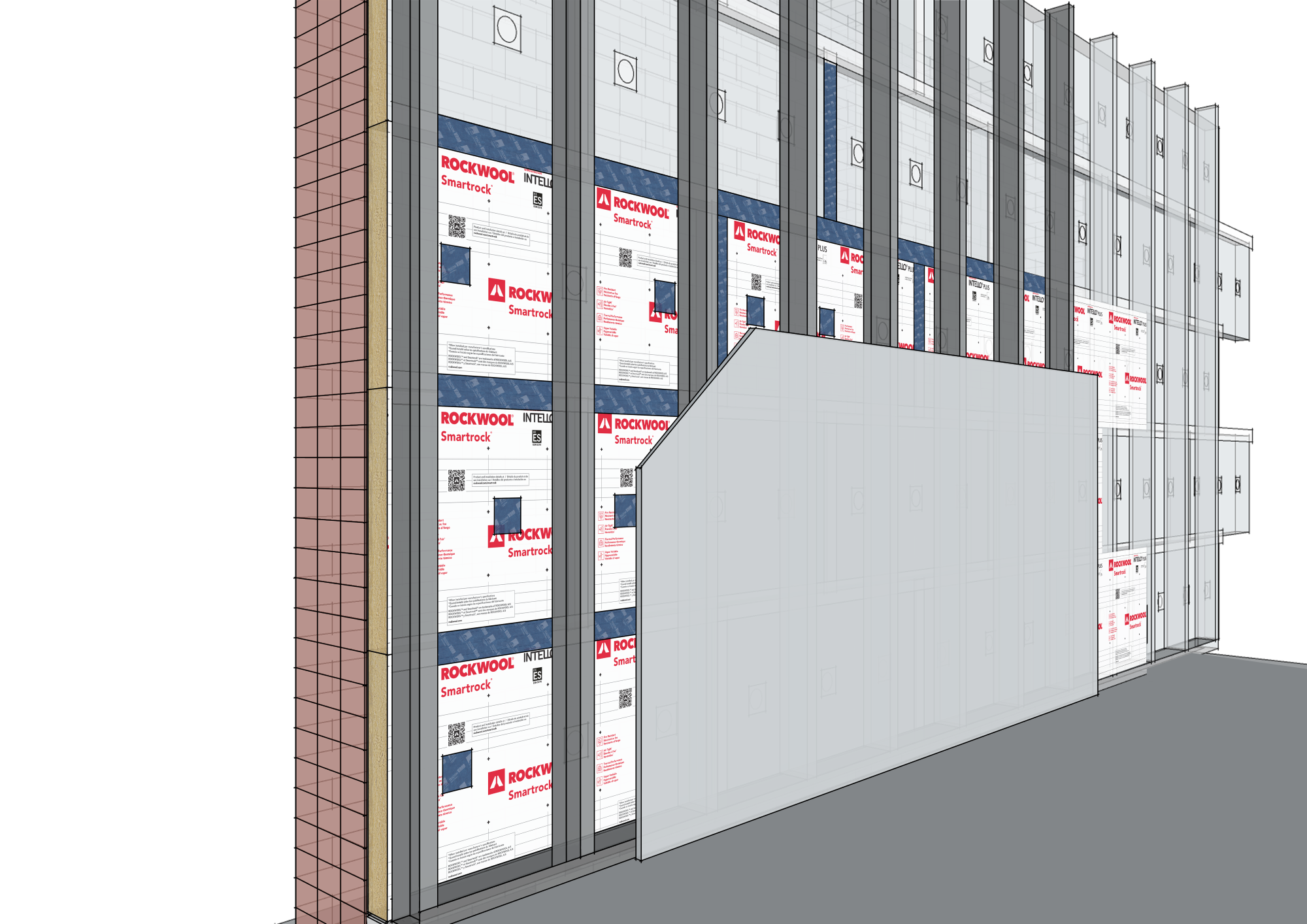
This presentation draws from project case studies to examine three interior enclosure strategies in depth: mineral wool assemblies faced with a humidity-dependent variable vapor retarder; dense-pack cellulose with an air control membrane; and a cork-based insulating plaster. Each approach is foam-free and is evaluated across performance, constructability, hygrothermal behavior, and fit within the specific constraints of new construction versus retrofit conditions.
Attendees will leave with a working understanding of how these strategies perform differently across project types and how to match the right system to the right building.
Speakers:

Eddie’s interest in building science and construction technology began during his architectural education at Carnegie Mellon. As a student he learned about energy efficient construction, and contributed to an initiative to distribute Weatherization Kits to low-income renters in Pittsburgh. After graduating he spent 2 years working in Baltimore at an architecture firm focused on cultural and educational work, before moving to New York to pursue his interest in sustainability in the construction industry.
In his free time Eddie enjoys seeing live music, hiking, playing tennis and snowboarding.
Sponsored by:
Continued Education:
- AIA Credit: 1 LU|HSW
- PHI Credit: TBD
- PHIUS Credit: 1 CEU
Learning Objectives:
- Describe the enclosure performance requirements specific to NYC new construction and retrofit projects, including airtightness, vapor management, thermal performance, and hygrothermal risk.
- Explain how humidity-dependent variable vapor retarders function within interior insulation assemblies and why membrane selection affects long-term moisture performance and durability.
- Compare mineral wool, dense-pack cellulose, and cork-based insulating plaster as interior insulation strategies, identifying the conditions under which each is most appropriate for new construction versus retrofit applications.
- Apply lessons from case study projects to select and evaluate foam-free interior insulation strategies for dense urban building conditions.
Webinars