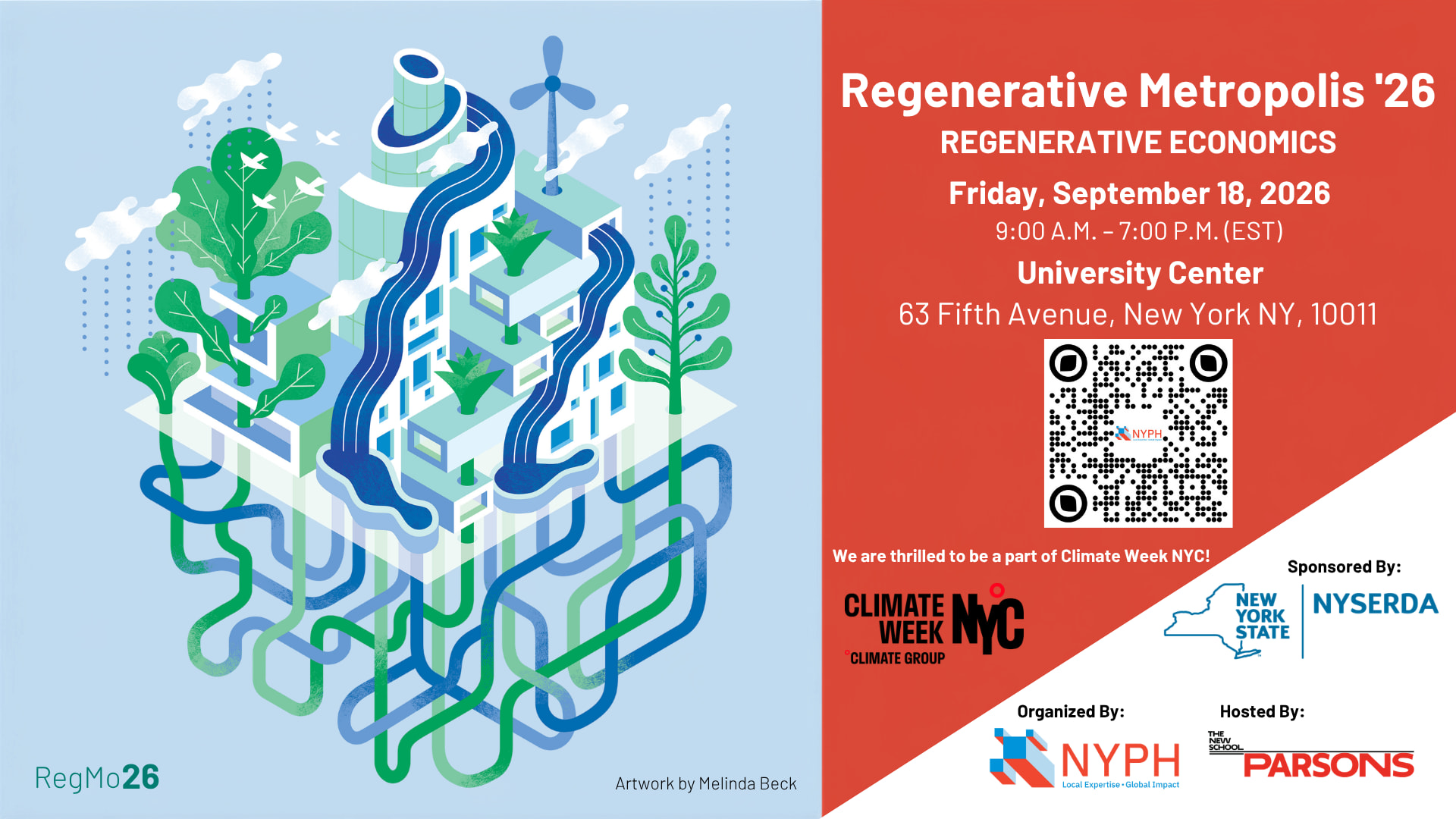
Regenerative Metropolis 2026
Regenerative Economics
REGENERATIVE METROPOLIS 26

Registration & Networking
Intro — NYPH, NYSERDA & NY Green Bank
Keynotes
Break
Business Models
Lunch Break
Deconstruction, Prefabrication & Passive House
Break
Bioregional & Large-Scale Examples
Break
Definitions of Regenerative Design
Regenerative Design DefinitionsCUNY Students — Regenerative Definitions
Closing Remarks
Buck Moorhead, Vicki Yee -- NYPH
Networking
Definitions of Regenerative Design
Speakers
Leading voices providing framing, context, data, case studies, and key learning objectives.

Joshua Farley, PhD
Dr. Joshua Farley is an ecological economist, Professor in Community Development & Applied Economics, Fellow at the Gund Institute for Environment at UVM, and Past President of the International Society for Ecological Economics. Previous positions include Program Director at the School for Field Studies’ Centre for Rainforest Studies, Executive Director of the University of Maryland Institute for Ecological Economics, Fulbright Fellow and visiting researcher at the Universidade Federal de Santa Catarina, and visiting professor at the UF de Bahia. He holds degrees in biology, international affairs and neoclassical economics, though he never accepted the core axioms or ethical underpinnings of the latter. His broad research interests focus on the design of economic institutions capable of balancing what is biophysically possible with what is socially, psychologically and ethically desirable. His recent research focuses on the economics of essential resources; financial and monetary systems for a finite planet; agroecology; the evolution and economics of cooperation; and transdisciplinary problem solving that integrates research and teaching. He is co-author with Herman Daly of Ecological Economics, Principles and Applications. He is currently building a passive house in his backyard to rent at below market rates.
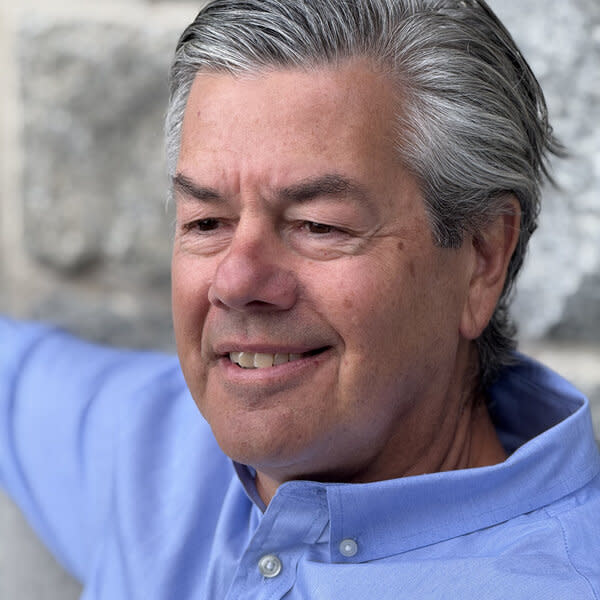
John Fullerton
An unconventional economist, author, and impact investor widely considered the architect of Regenerative Economics, John founded Capital Institute to reimagine economics and finance in service to life.
After two decades on Wall Street — rising to Managing Director at JPMorgan and serving on the oversight committee for the Long-Term Capital Management rescue — he left in 2001 to pursue a deeper question: what would an economy that works like a living system actually look like?
His 2025 book, Regenerative Economics: Revolutionary Thinking for a World in Crisis (New Society Publishers), is the culmination of that inquiry. He was featured in the documentary Going Circular with James Lovelock and Season 7 of the Scene on Radio podcast, "Capitalism," and is a member of the Club of Rome.

David Bollier
David Bollier is an American activist, writer, and blogger who is focused on the commons as a paradigm for re-imagining economics, politics, and culture. He is a director of the Reinventing the Commons Program at the Schumacher Center for a New Economics, and is co-founder of the Commons Strategies Group, an international advocacy project.
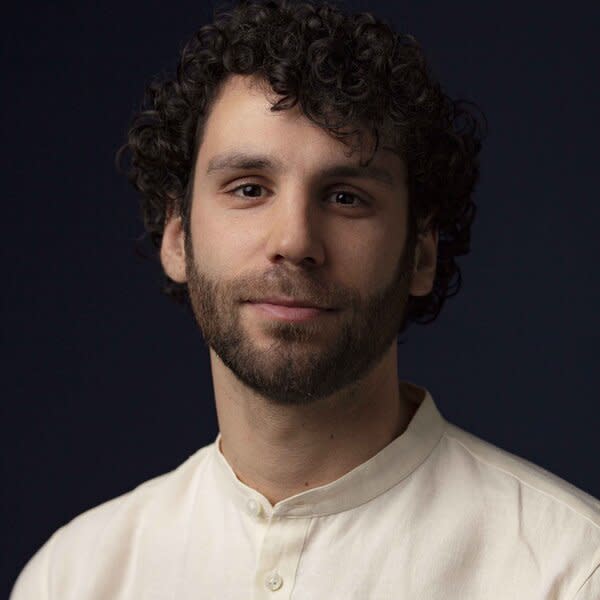
Garrett Benisch
Garrett leads development at Bioforcetech, a Bay Area company turning organic waste into carbon-negative materials. He has been co-developing OurCarbon, the company's flagship product made from wastewater sludge, for markets ranging from concrete to fashion.
As a municipally-derived material moving into industry, OurCarbon sits at the intersection of public infrastructure, policy, science, and new markets — exactly where Garrett spends his time.
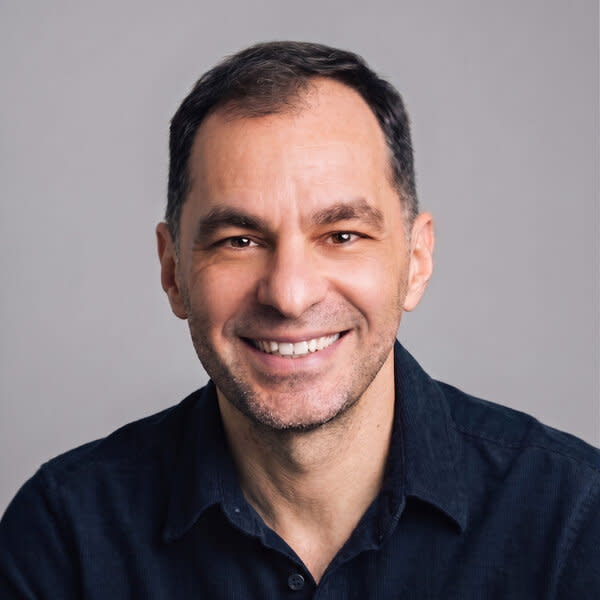
Themis Haralabides
Themis leads reBuild Workshop, a Brooklyn-based design-build studio transforming historic buildings into enduring, high-performance homes. Through an integrated practice combining architecture, interiors, and construction, he has led the renovation and expansion of more than 50 historic townhouses across New York City.
A recognized leader in Passive House design and sustainable retrofits, he believes adaptive reuse is one of the most effective ways to reduce the built environment's carbon footprint — proof that historic preservation and high-performance building are complementary, not opposing, goals.
Before founding reBuild Workshop, Themis was a Senior Designer at Skidmore, Owings & Merrill (SOM), working on Moynihan Train Hall, JFK Terminal 4, and Denver Union Station. He is a registered architect in New York, an AIA member, and a LEED Accredited Professional, with work featured in The New York Times, Architectural Digest, Dwell, and New York Magazine.
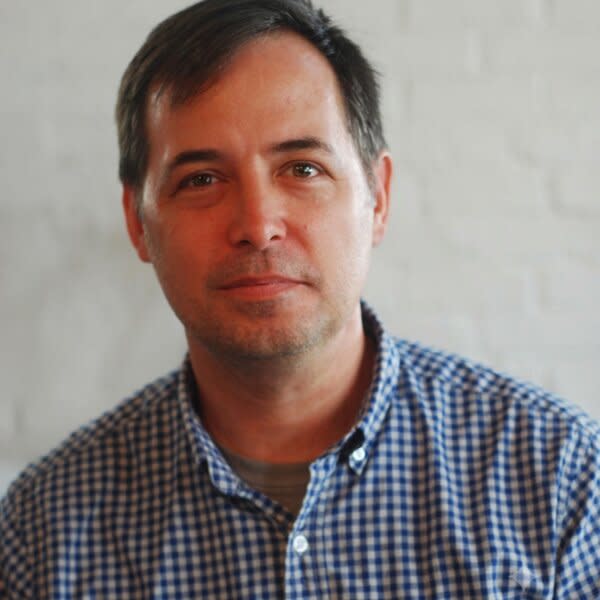
John Mitchell
John is a founding partner of bldgtyp, a Brooklyn-based Passive House consultancy whose work spans single-family homes and row houses to large multi-unit residential and commercial projects.
Trained first as a carpenter, then as an architect, John combines a love of craft, quality, and human-centered design in his Passive House practice. Over the past decade he has guided projects through certification under both PHI and Phius, including energy modeling, shading and thermal bridge analysis, and full certification management. He has also taught extensively through the Passive House Network, training hundreds of students through its mentorship program.
John holds a Master of Architecture from Parsons School of Design and is a Certified Passive House Designer (PHI), Certified Passive House Consultant (Phius), and Living Future accredited.
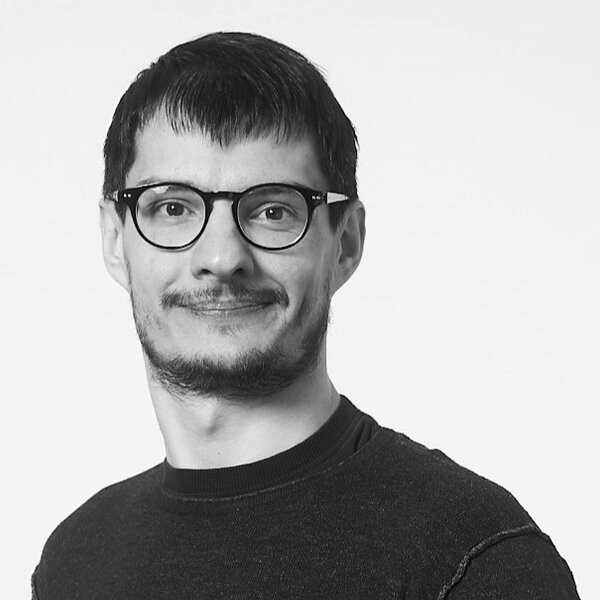
Tommaso Bitossi
Tommaso works across two aspects of climate-responsive design — architecture and climate engineering — guided by his professional value of "sufficiency before efficiency." His grasp of both the architectural and engineering sides of a project helps him translate complex strategies for the wider design team.
He believes a decision-making process grounded in solid engineering and out-of-the-box thinking leads to resource-conscious solutions and high-quality built environments, and works to keep environmental impacts like CO₂ emissions as low as possible on every project. He is also committed to education, helping the next generation rethink how to combat climate change and conserve the planet's limited resources.
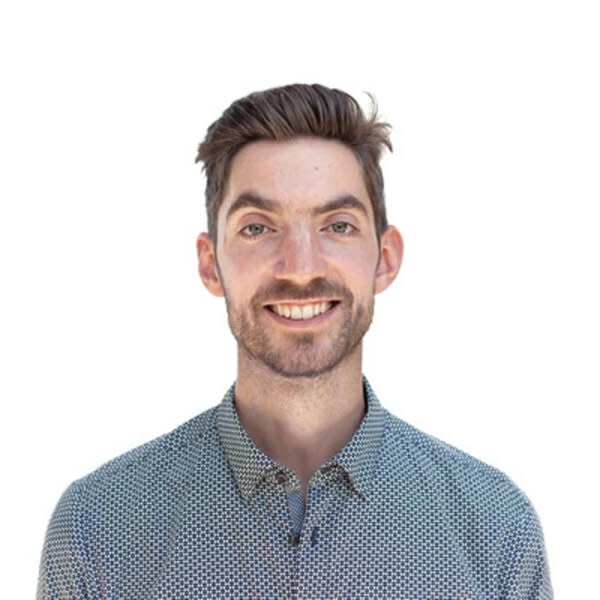
Thomas Bamber
Thomas joined Transsolar in 2024, bringing 13 years of international experience designing passive, active, and hybrid mechanical systems. He focuses on the importance of all-around good building design — climate resilience, occupant health, and longevity — in delivering sustainability.
A passionate speaker on the benefits of passive design, he draws on a multi-disciplinary background spanning mechanical and electrical design, building performance, fluid dynamics, occupant experience, and site-wide energy analysis.
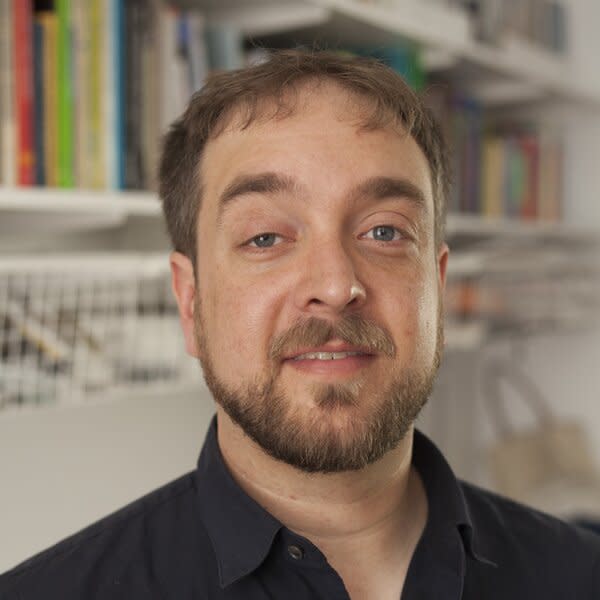
Anthony Harrington
Anthony is a registered architect and co-founder of pHdesign, where he leads the firm's multi-family and mixed-use portfolio. Teaching runs through his career — he has led design studios at NYIT and NJIT, where he continues as an adjunct instructor.
Over the past two years he has taken on a new role as architect-developer, co-leading pHdesign's first development project in upstate New York with partner Hilary Padget. He is a Certified Passive House Designer and a member of both New York Passive House and New Jersey Passive House.
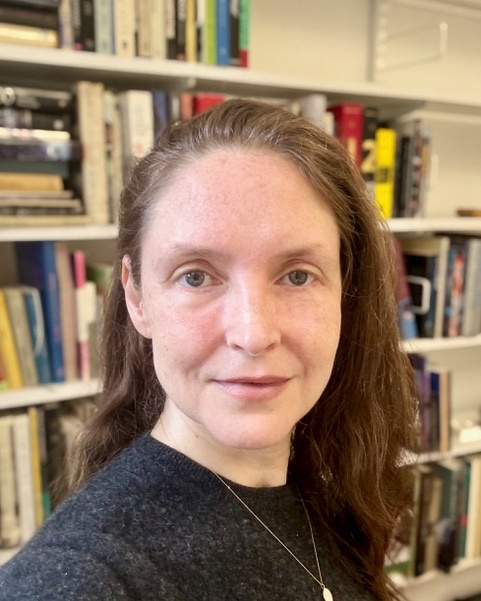
Hilary Padget
Hilary Padget is a registered architect and co-founder of pHdesign, a New York-based practice specializing in Passive House and high-performance design. Her work ranges from historic retrofits to ground-up builds, with a focus on broadening access to high-performance residential design.
She is a co-founder of Southlight Passive Homes, contributing design leadership, land, and equity to the venture. She is a Certified Passive House Designer, Certified Passive House Tradesperson, founding member and external coordinator of New Jersey Passive House, and co-developer of a course on Passive House principles at NJIT.

Aaron Yassin
Aaron Yassin is a design-driven real estate developer who oversees development from site acquisition and zoning to capital raising and construction management. He builds ground-up apartments in NYC and single-family homes in the Catskills to Passive House standards, the highest sustainability standard.
With 25 years in real estate, design, and fine art, Aaron brings a rare perspective to development. As an architectural designer, he has won multiple awards, including an Architizer A+ Award, and worked with Tiffany & Co., The Related Group, and MoMA on complex, global projects. In 2025, The Eleven2 and The Josephine, his two Bushwick, Brooklyn developments, set neighborhood records, earning him Boutique Condo Developer of the Year at the RED Awards.
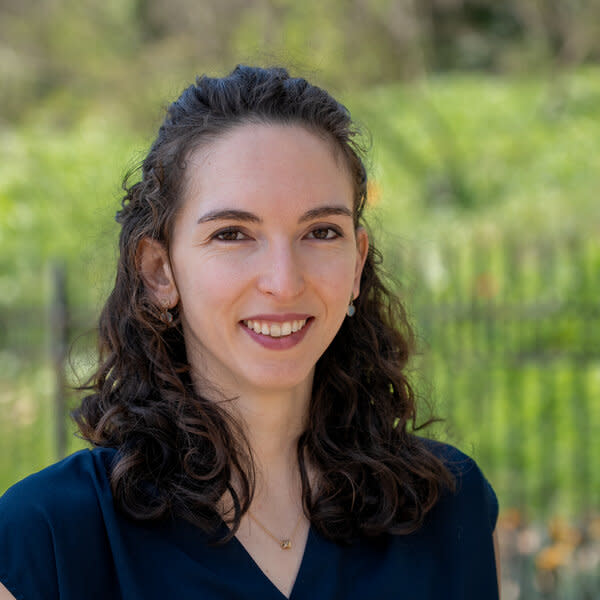
Anya L. LaRoche
Anya specializes in designing and evaluating building enclosures for new construction and existing building renovations, across systems including custom curtain walls, rainscreen facades, roofing, and waterproofing. She uses finite-element analysis to evaluate the structural and thermal performance of custom curtain wall and rainscreen systems.
A Certified Passive House Consultant, she has experience designing and executing multifamily Phius projects, including whole-building energy modeling, and has presented and published on enclosure continuity and airtightness, firesafing at enclosure systems, and Passive House design and verification.

Cheryl Saldanha
Cheryl leads SGH's Building Science and Passive House practice, with extensive experience in the design, evaluation, and commissioning of high-performance building enclosure systems — facades, roofing, and below-grade waterproofing. She works closely with project teams to identify and mitigate risks from air, water, and moisture infiltration through detailed design review, performance analysis, and field verification.
Her expertise in thermal and hygrothermal analysis supports compliance with NYC energy codes and Local Laws while promoting durable, maintainable, constructible solutions. Cheryl is a member of the NYC Commercial Energy Code Technical Advisory Committee and the AIA NY Building Science Committee, and sits on the Board of Directors for NY Passive House.

Shefali Sanghvi
As Dattner Architects’ Director of Sustainability, Shefali Sanghvi serves as a thought leader across the firm’s studios, and beyond, championing sustainability as integral to architecture. She establishes the direction of firmwide research and leads the exploration and application of sustainability by facilitating knowledge sharing amongst project teams, firm leadership, and professional development groups.
Recent work includes deconstruction at the urban scale, expanding the firm’s knowledge base on circularity & embodied carbon, and working with project stakeholders to implement ambitious, but necessary, climate goals in large, multi-phase projects. Shefali has over 20 years of experience working on sustainable projects, with an emphasis on resiliency, occupant health and comfort, and energy efficiency.
Shefali holds a Bachelor of Architecture from Rensselaer Polytechnic Institute. She is an active member of AIA NY COTE, a certified Fitwel Ambassador, WEDG Associate, and an Envision Sustainability Professional.
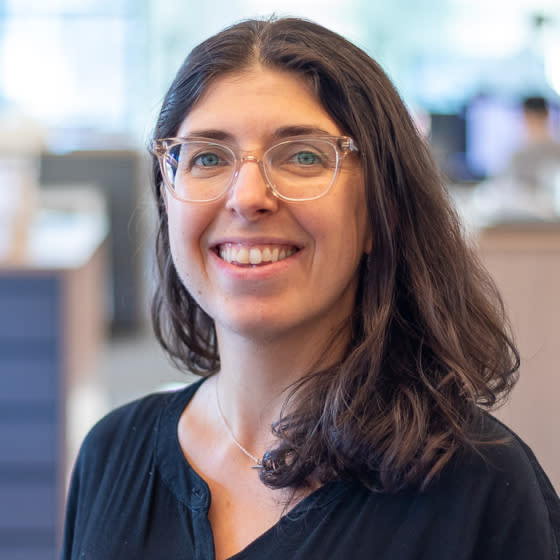
Deniz Secilmis
A New Yorker, Deniz Secilmis is committed to bringing sustainability, design, and economy to the forefront through her work. She enjoys seeing projects through from start to finish—beginning with the big picture and getting into the details of design and construction. She has experience working on a breadth of projects with her focus on High Performance and Passive House buildings.

Michael Hindle
Michael Hindle is founder and principal of Passive to POSITIVE, a Building Enclosure and Energy Efficiency consulting firm specializing in Passive House, Zero Energy, Low Carbon and Resilient Design. He has consulted on Passive House, zero-energy, and Living Building Challenge projects including single-family, affordable multi-family residential, and small commercial buildings.
Through this experience, Michael began to understand the systemic limitations of our current mechanism of providing housing (and all necessary provisioning) to low income communities through top-down, corporate and governmental development approaches. In response, he has increasingly turned his attention towards explorations of genuine zero-impact and regenerative design and supporting community-led development, integrating reciprocity-based, non-extractive economics and democratic governance in grassroots development projects rooted in local and bioregional networks.

Carlos Uriona
Carlos Uriona (he/him/his) is lead actor, creator, and puppeteer at Double Edge Theatre, and a grassroots organizer originally from Argentina. As leader of Double Edge's grassroots campaigns and audience development initiatives, he has drawn from his previous work in Argentina, particularly the PLAZA performance project, which brought together thousands of young participants and spectators in squares throughout Buenos Aires.
He received an Arts International Inroads Grant, a Lila Wallace APAP award, and was a recipient of the Doris Duke/Andrew Mellon/TCG New Generations Mentorship Award. In 1985, he was one of the founding members of the Movimiento de Teatro Popular (MOTEPO), a movement of theatres that worked to decentralize and collaborate with high quality art forms in nonconventional theatre places such as streets, factories, and neighborhoods. He maintains a commitment to theatre as one aspect of living culture, and the arts as essential vehicles for ecological and social justice.

Alexander Aptekar
Prof. Alexander Aptekar is an architect and educator whose work advances high‑performance building, regenerative design, and the integration of ecological systems thinking into architectural practice. A faculty member at CUNY New York City College of Technology (City Tech), he serves as a Program Director of the five‑year Bachelor of Architecture, guiding curriculum development that links technical proficiency with emerging climate‑responsive methodologies. He is currently establishing City Tech’s Decarbonization Lab, a research and teaching platform focused on next‑generation materials, enclosure systems, and robotic extrusion printing. He received his MArch from Yale University.
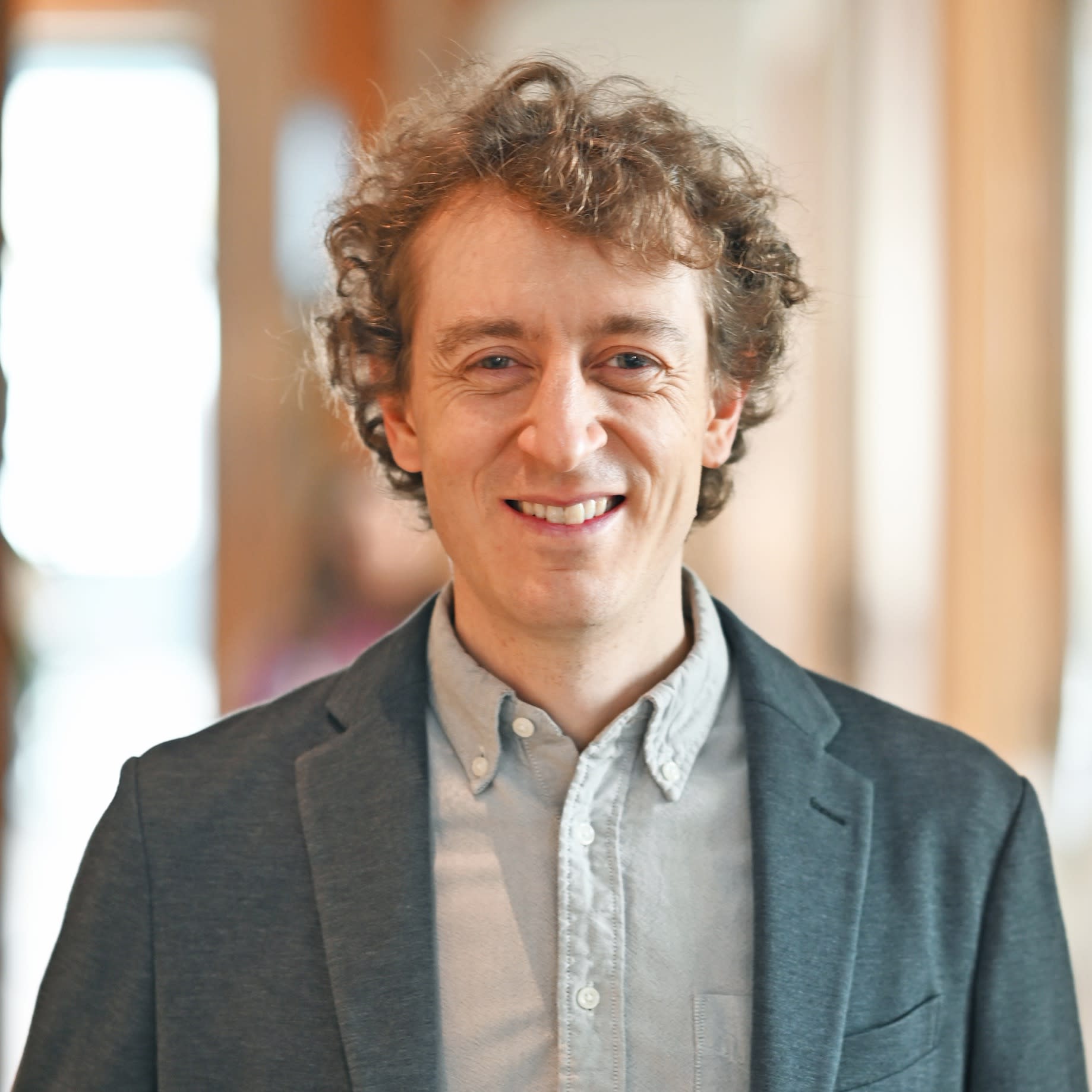
Corey Squire
Corey Squire, AIA is Sustainability Director at Bora Architecture & Interiors in Portland, Oregon, a member of the AIA's Strategic Council, and an AIA Young Architects 2025 award winner. Corey speaks nationally on a range of sustainability-related topics and was a creator of AIA Framework for Design Excellence, a resource that’s actively redefining excellence in the built environment. Corey is the author of the recently published book "People, Planet, Design: A Practical Guide to Realizing Architecture’s Potential."

Kaveh Samiei
Kaveh is an architect and an assistant professor at Parsons School of Design in NYC, where he teaches comprehensive studio, environmental courses, and building systems. His work spans the role of design in building decarbonization — particularly embodied carbon reduction — and housing affordability, through carbon accounting and exploring the dynamics of carbon reduction, energy efficiency, materials cost, and housing types and diversity. He has recently completed the first phase of a study on the meaning and origins of Regenerative Design in architecture.

Mia Torrence
Mia is a graduate student at Parsons School of Design interested in bringing passive and sustainable design approaches into her academic work and future career. She has worked on passive house and net-zero carbon and energy designs for the Solar Decathlon student design competition.
She studied architecture and landscape architecture at the University of British Columbia, which informed her interest in interdisciplinary and ecological design. Most recently, she has worked with Dr. Kaveh Samiei on research defining Regenerative Design within the field of architecture.

Sarah Davidson
Sarah Davidson is a Managing Director and Head of the Strategy and Communications team for NY Green Bank, where she oversees the organization's public relations, partnership development, stakeholder engagement, communications and marketing efforts, while providing investment, portfolio management, and operations support.
Prior to NY Green Bank, Ms. Davidson served in the office of Governor Andrew M. Cuomo as a special assistant to Richard Kauffman, Chairman of Energy and Finance for the State of New York, supporting the development and implementation of a strategic plan to scale up clean energy and make the State's energy systems more resilient and reliable.
Ms. Davidson previously consulted for AGRION, a global network for energy and sustainability professionals, and the Carbon War Room, and served as a Vice President at the Coalition for Green Capital in Washington, DC. She holds a bachelor's degree in Political Science from Colorado College and an MBA from Columbia University.
Organizers, hosts, & sponsors
Regenerative Metropolis '26 is organized by New York Passive House, hosted by Parsons The New School, and made possible with support from NYSERDA.


ReConnection Catalyst - Mobile App Sponsor

REenergize - coffee SPONSOR

Event Team:
- Sara Bayer (Event Chair), Board Member, New York Passive House
- Victoria Yee (Event Vice Chair), Board Member, New York Passive House
- Buck Moorhead, Chair, New York Passive House
- Alexander Aptekar, Public Member
- Erik Olsen, Board Member, New York Passive House
- Carmel Pratt, Executive Director, New York Passive House
Images